

![IUCN Endangered [EN]](https://5wf.org/wp-content/uploads/2025/08/IG-EN.jpg)
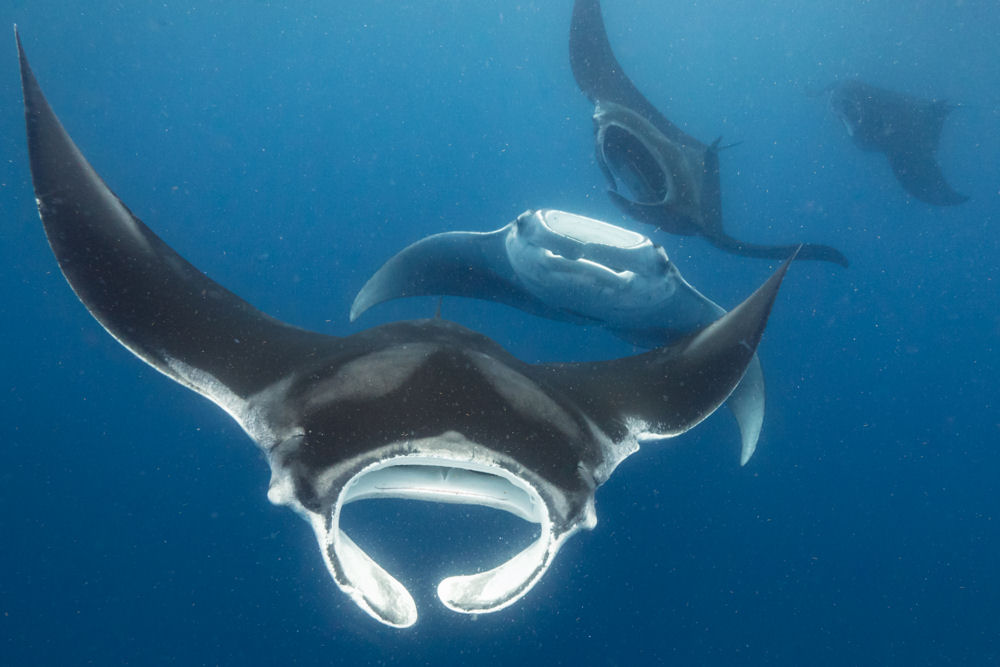
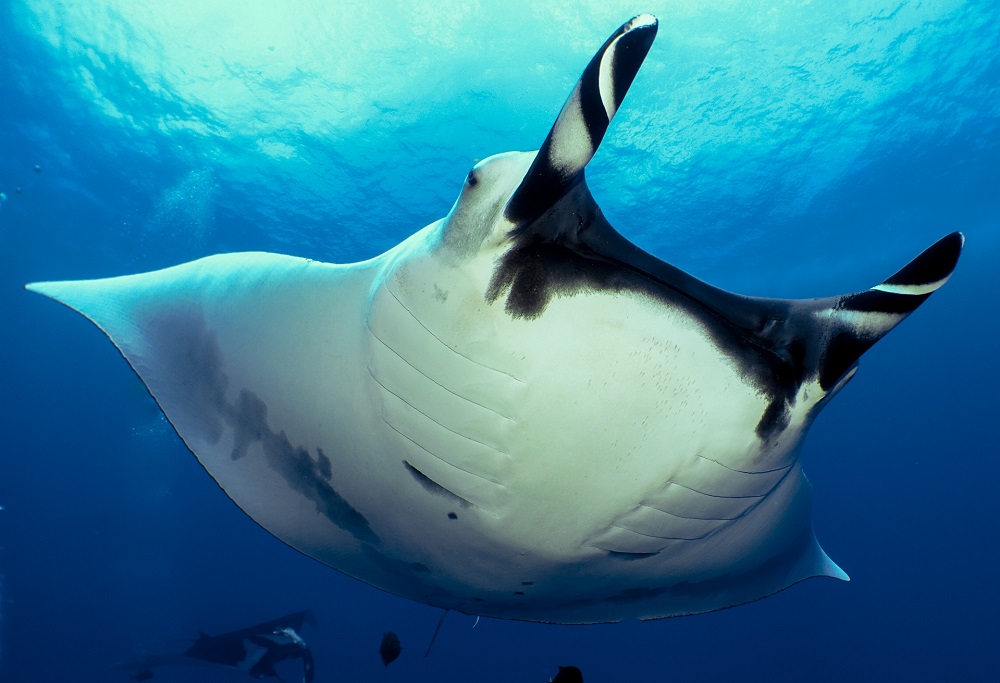
Oceanic Manta Ray
Price range: 1,00 € through 100,00 €
Donation to support Oceanic Manta Ray conservation.

Information
 Species Name (Scientific): Mobula birostris
IUCN Category: Endangered
Habitat Type: Marine Neritic | Marine Oceanic
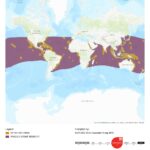
Geographic Range: Caribbean Islands | East Asia | Europe | Mesoamerica | North Africa | North America | Oceania | South America | South and Southeast Asia | Sub-Saharan Africa | West and Central Asia
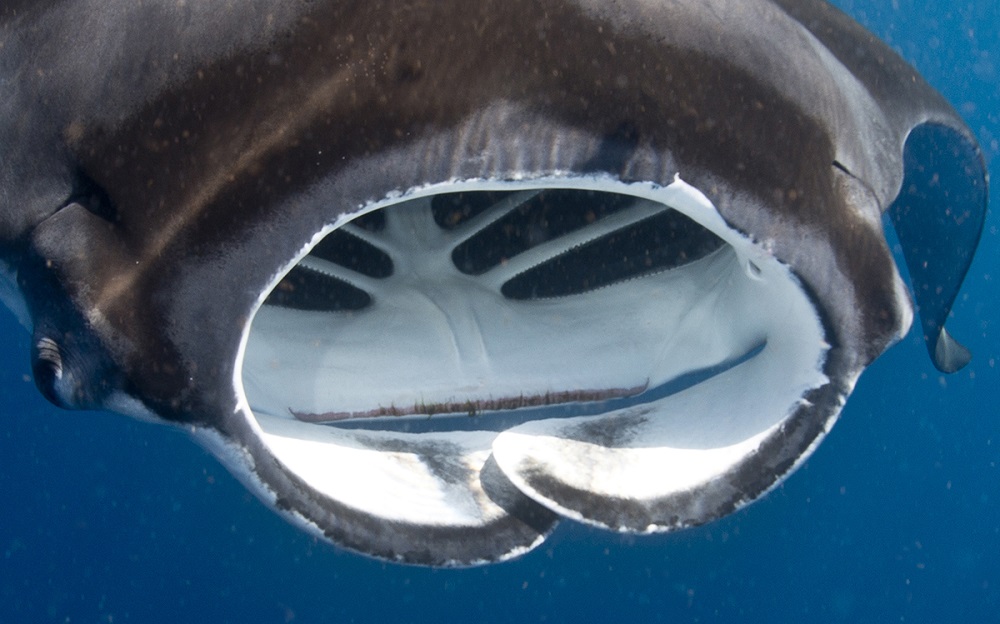
Oceanic Manta Rays play a crucial role in marine ecosystems as filter feeders, consuming large quantities of plankton and small fish.
This feeding behaviour helps regulate plankton populations, which can influence nutrient cycling and the health of marine food webs. Additionally, their presence supports ecotourism, which promotes conservation and sustainable practices in local communities.
Primary threats: Humans – hunted for their gill plates, entangled in fishing nets, pollution from unregulated tourism/commerce, destruction/contamination of their food sources, climate change.
Additional information
| Fun Facts | ~ Manta rays are migratory filter feeders following food sources, straining plankton, small fish, and crustaceans out of the water with their gills. They have five gill slits on each side. ~ They have a maximum disc width (wingspan) of about 22ft (7m), and can weigh around 5,000 pounds (2,267kg). ~ They tend to be solitary but aggregate at cleaning sites and to feed and mate. They show social behaviours like playing together and in searching for food. ~ They have the largest brain of all fish, relative to their size, and have a highly developed sensory system. Their eyes are located on their "head" which also includes cephalic fins that unroll when feeding. ~ Each manta has a unique pattern of spots, like a human fingerprint, on its underside; enabling manta scientists to identify every individual. |
|---|---|
| Donation Amount | €5, €10, €25, €50, €100, Your own amount (€1 increments) |
Other Species / Projects
-
-
- Species - Endangered, Terrestrial
Chimpanzee
- Choose Donation This product has multiple variants. The options may be chosen on the product page
-
-
-
- Species - Endangered, Terrestrial
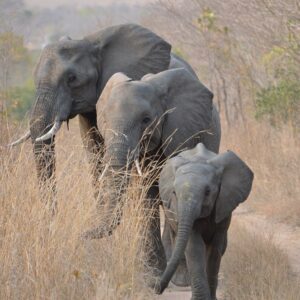
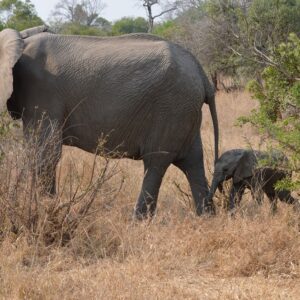
African Savanna Elephant
- Choose Donation This product has multiple variants. The options may be chosen on the product page
-
-
-
- Oceanic, Species - Endangered
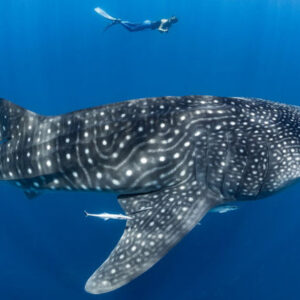
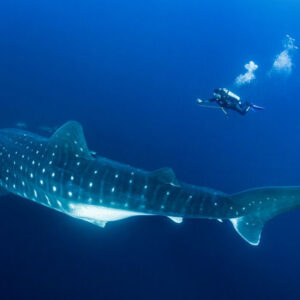
Whale Shark
- Choose Donation This product has multiple variants. The options may be chosen on the product page
-